Information
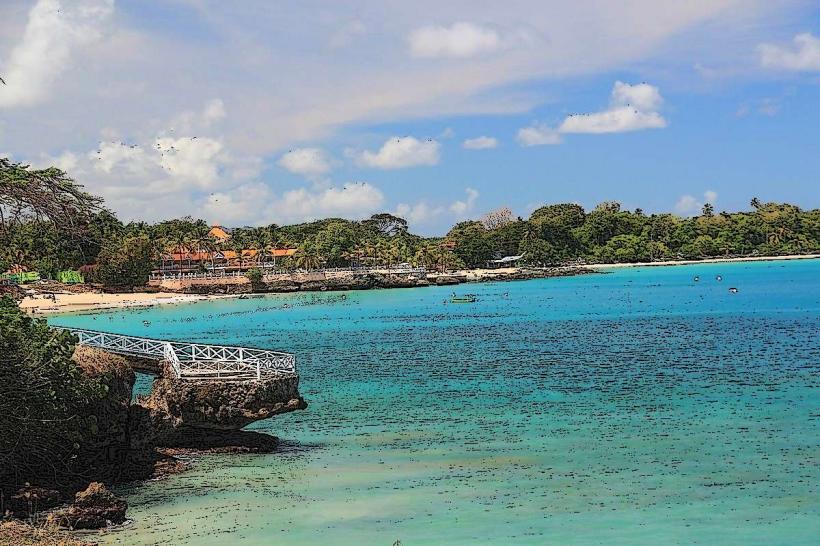
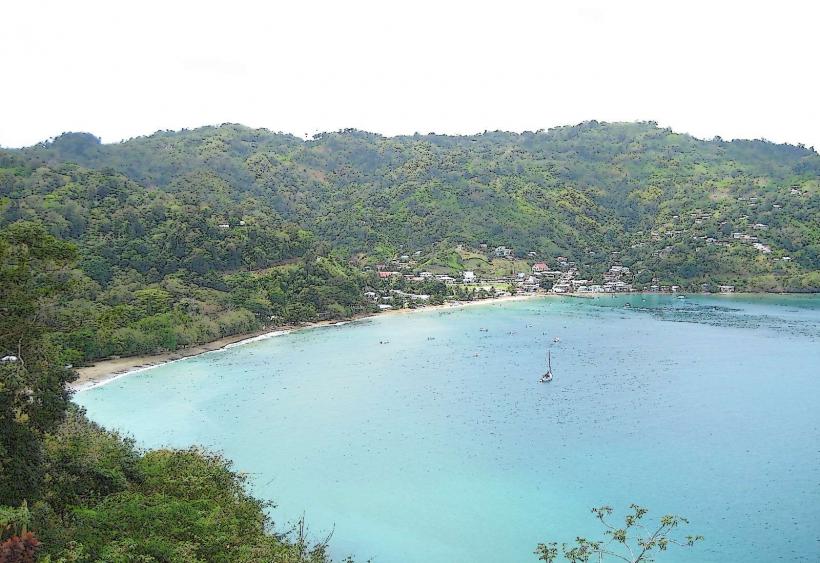
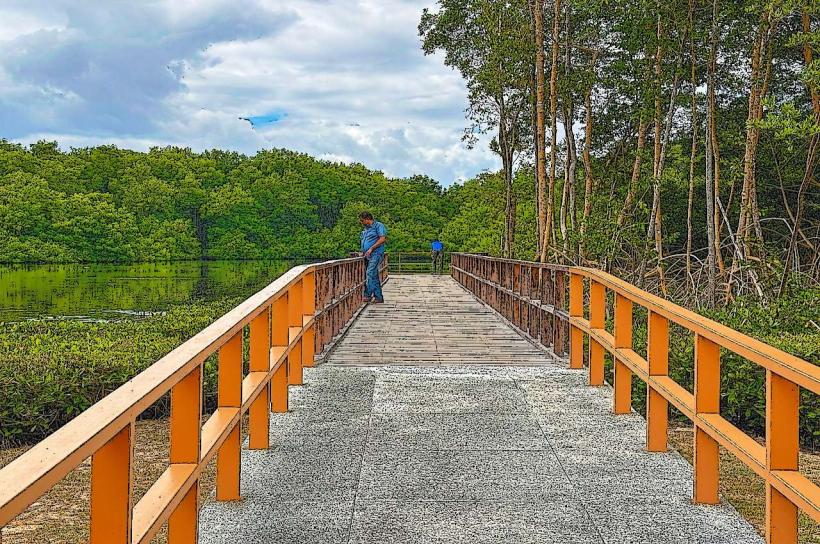
Landmark: Flagstaff HillCity: Tobago
Country: Trinidad and Tobago
Continent: North America
Flagstaff Hill, Tobago, Trinidad and Tobago, North America
The Haka Dance is a traditional performance art form originating from the Marquesas Islands in French Polynesia. It is a significant cultural expression deeply rooted in the history and identity of the Marquesan people.
Visual Characteristics
The Haka involves a group of performers, typically men, adorned with traditional Marquesan attire. This often includes woven plant materials, tapa cloth, and body paint. The movements are characterized by strong, synchronized physical actions, including stamping of feet, slapping of the body, and vocalizations such as chanting and shouting. The intensity and rhythm of the performance are central to its visual and auditory impact.
Location & Access Logistics
The Haka Dance is not a fixed geographical location but a cultural performance that takes place in various villages and cultural centers across the Marquesas Islands. Access to the islands is primarily via air travel to Nuku Hiva or Hiva Oa airports, followed by inter-island flights or ferries. Performances are often scheduled as part of local festivals, community gatherings, or for visiting tour groups. Specific performance locations and times are typically arranged through local guides or accommodation providers.
Historical & Ecological Origin
The Haka's origins are ancient, serving as a war cry, a ceremonial dance, and a means of storytelling and preserving history. It predates European contact and has evolved over centuries. The performance is intrinsically linked to the Marquesan environment, drawing inspiration from the natural world and the ancestral connection to the land and sea.
Key Highlights & Activities
Witnessing a Haka performance is the primary activity. Visitors can observe the synchronized movements, powerful chants, and the cultural significance conveyed through the dance. Some cultural tours may offer opportunities to learn basic Haka movements or understand the historical context of specific chants and dances.
Infrastructure & Amenities
Performance venues vary. Some are open-air village squares, while others may be within dedicated cultural centers. Basic seating may be available at organized events. Restroom facilities are generally available at larger villages or tourist hubs. Cell phone signal can be intermittent across the islands, with better reception in main settlements. Food vendors are often present at larger festivals or markets, but not guaranteed at every performance.
Best Time to Visit
The Haka is performed year-round. For the most authentic experience, attending during local festivals or significant cultural events is recommended. These often occur during the drier months, from May to October. Specific performance schedules should be confirmed in advance with local tourism operators.
Facts & Legends
A specific type of Haka, known as the "Haka Pei," involves young men sliding down a steep hill on a log. This is a test of courage and skill, often performed during festivals. The intensity of the Haka is said to be a reflection of the warrior spirit and the deep connection to ancestral traditions.
Nearby Landmarks
- Marquesas Museum (0.8km North, Nuku Hiva)
- Tiki Village Cultural Centre (1.2km Northeast, Nuku Hiva)
- Anaho Bay (5km North, Nuku Hiva)
- Taipivai Valley (10km East, Nuku Hiva)
- Hiva Oa Cultural Centre (Distance varies by island)